What Actually Works for Students With Dyslexia?
One of the hardest parts of a dyslexia diagnosis is figuring out what to do next.
Parents quickly discover there is a lot of conflicting information online. One program says to “just read more.” Another promises fast results. Some focus heavily on memorizing sight words. Others market colored overlays, special fonts, or visual tricks.
It can leave parents feeling overwhelmed and wondering:
What kind of reading help does my child actually need?
The good news is that we do know what works for students with dyslexia. Research has been clear for decades.
Students with dyslexia need explicit, systematic, structured reading instruction that directly teaches how our language works.
And that’s exactly why approaches like Orton-Gillingham and Structured Literacy are so important.
Dyslexia Is Not a Motivation Problem

Children with dyslexia are often bright, creative, and hardworking.
The struggle is not because they are lazy or not trying hard enough.
Dyslexia primarily affects the brain’s ability to process language sounds and connect those sounds to print. Because of that, students usually do not “pick up reading naturally” through exposure alone the way many other children do.
They need reading taught in a way that is:
- direct
- organized
- cumulative
- step-by-step
- repetitive enough for skills to stick
For many students with dyslexia, guessing words from pictures, memorizing whole words, or relying on context simply is not enough.
They need to be taught how words actually work.
What Is Structured Literacy?
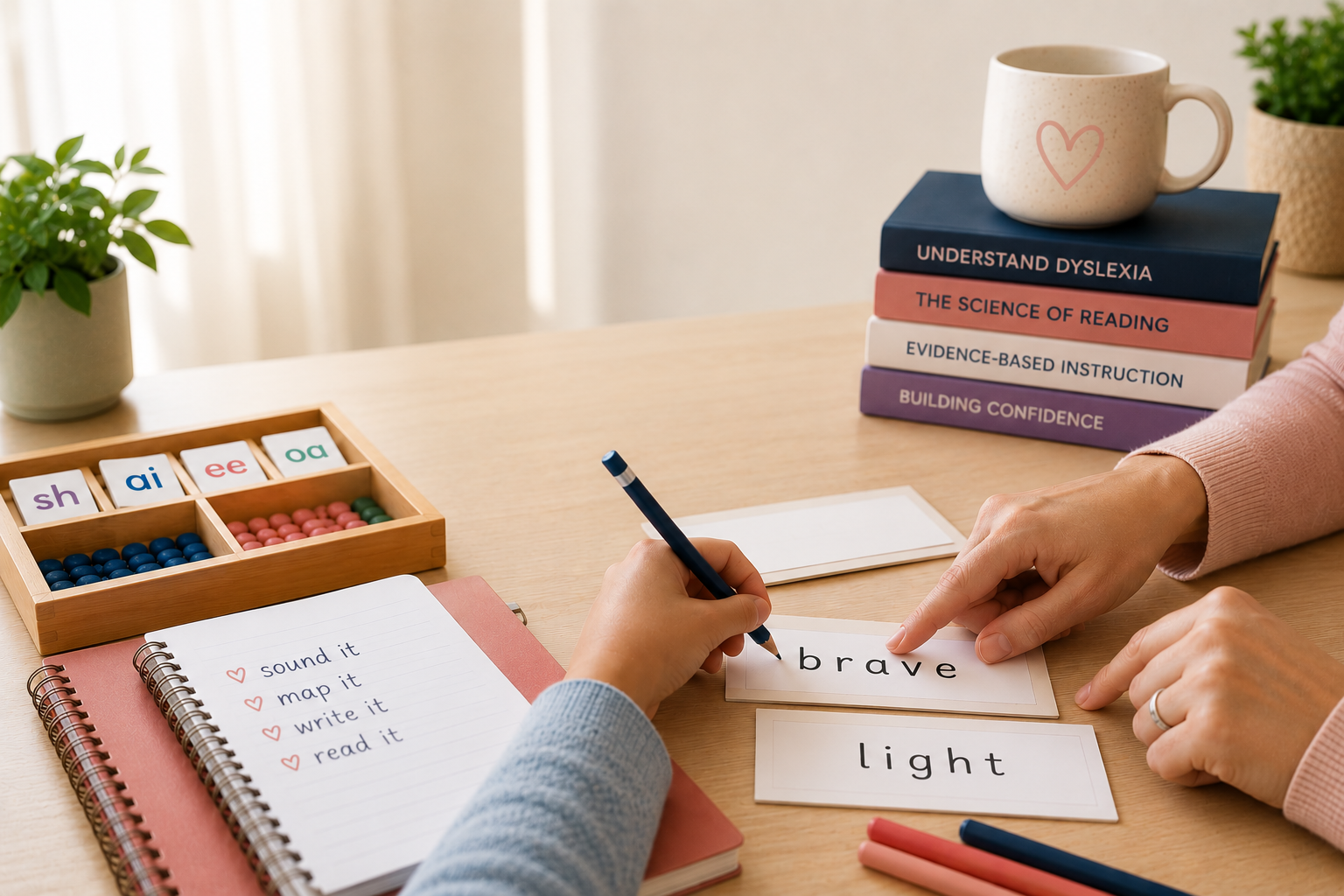
Structured Literacy is an evidence-based approach to reading instruction that is especially important for students with dyslexia.
Instead of assuming children will naturally figure out patterns, skills are taught clearly and directly.
Instruction focuses on areas like:
- phonemic awareness
- sound-symbol relationships
- decoding
- spelling
- syllables
- morphology
- sentence structure
- comprehension
Skills are taught in a logical sequence and continually reviewed so students build a strong foundation instead of developing gaps.
This is very different from approaches that rely heavily on guessing, memorization, or exposure to books without direct instruction.
Why Orton-Gillingham Helps
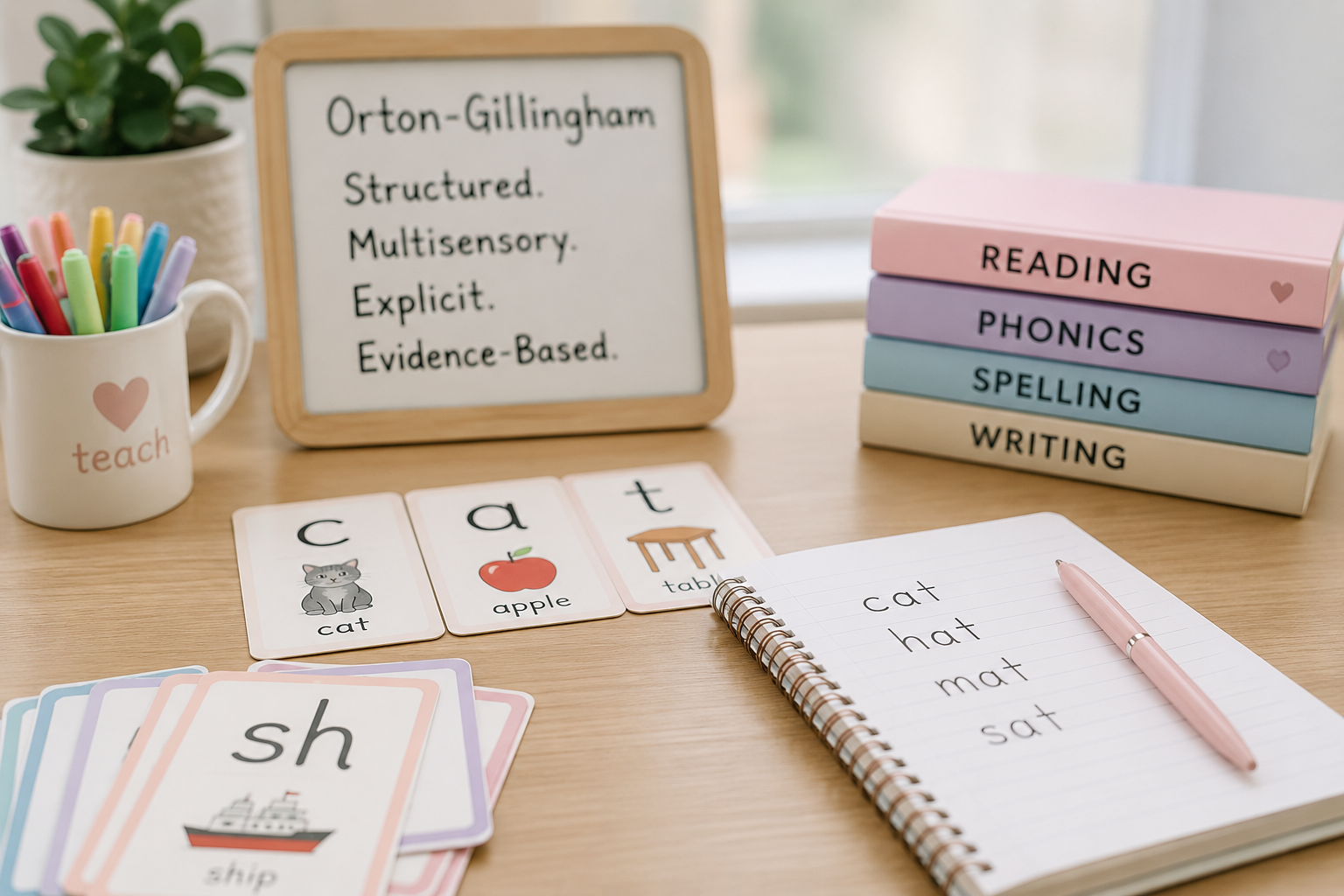
Orton-Gillingham is one approach that aligns with Structured Literacy principles. Dr. Samuel T. Orton, a neuropsychiatrist and pathologist and Anna Gillingham, an educator Developed the Orton Gillingham approach specifically for those with word blindness – now called dyslexia. The approach has been helping struggling readers, including those with dyslexia, since the early 1900’s.
One thing I often explain to parents is that Orton-Gillingham is not just “phonics.”
It is a carefully planned, diagnostic, prescriptive, and multisensory way of teaching reading, spelling and writing.
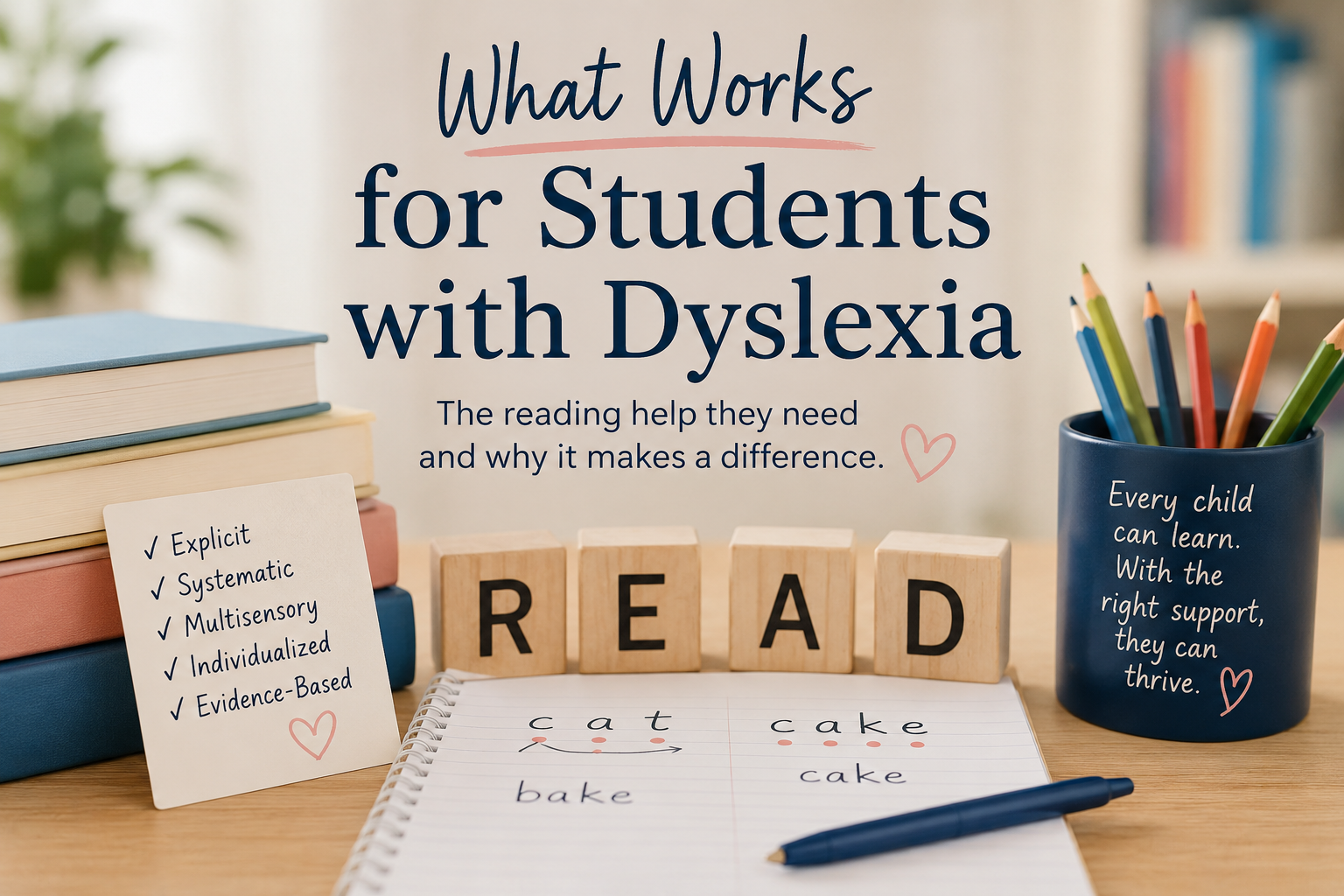
Lessons are:
- explicit
- systematic
- cumulative
- individualized
- multisensory
- diagnostic and prescriptive
That means instruction is constantly adjusted based on how the student responds.
If something is not clicking, the teaching changes.
If a skill needs more practice, we revisit it.
Students are actively involved in learning by seeing, saying, hearing, and writing at the same time so concepts stick more effectively.
(Note: Orton-Gillingham is an approach to teaching reading, not one specific program. This is one reason it is so effective—it allows the practitioner to adjust instruction to meet each individual student’s needs, unlike many standardized programs.)
Feeling overwhelmed about what to do next?
I created a free guide to help parents understand the next steps after a dyslexia diagnosis.
Students With Dyslexia Need More Than “Extra Reading”
This is an important point.
Many struggling readers are encouraged to:
- read more books
- practice sight word flashcards
- use reading apps
- guess unknown words from context
While reading practice absolutely matters, students with dyslexia need more than extra exposure. They need instruction that directly teaches:
- how sounds work in words
- how letters represent sounds
- how to break apart longer words
- spelling patterns
- syllable types
- meaningful word parts
- sentence structure
Without those foundational skills, reading often continues to feel exhausting and confusing. Then, they need books that align with the concepts they were taught. We call these decodable books.
What Effective Reading Intervention Should Look Like
Good dyslexia intervention is not random worksheets or homework packets.
Effective instruction should followed the structured literacy guidelines as set out by the IDA – International Dyslexia Association – as referred to earlier, and with a credentialed and experienced dyslexia interventionist.
For our students with dyslexia, that means instruction needs to happen multiple times per week consistently over time – typically years.
Progress is usually not overnight — but with the right support, students absolutely can become stronger, more confident readers.
Parents Should Not Have to Figure This Out Alone

One of the hardest things for parents is trying to sort through all the programs, opinions, and promises online.If your child is struggling with reading, spelling, or writing, know this:There are effective approaches.There is research behind what works.And your child is capable of learning.Students with dyslexia do not need to be “fixed.” They need instruction that matches how their brain learns best.That is why Structured Literacy and Orton-Gillingham-based instruction continue to be recommended for students with dyslexia and other struggling readers.
A Quick Note About “Quick Fixes”
When parents are worried about their child, it makes sense to want fast answers and fast progress.
But effective dyslexia intervention is usually not a quick fix.
Be cautious of programs or products that promise dramatic reading gains in just a few weeks or claim to “cure” dyslexia.
Students with dyslexia typically need explicit, systematic instruction over time to build strong reading, spelling, and writing skills.
Progress absolutely happens — and it can be life-changing — but lasting growth is usually built through consistent, evidence-based instruction rather than shortcuts or gimmicks.
Want More Guidance?
The Dyslexia Journey gives parents step-by-step guidance, exact questions to ask a potential tutor, practical resources, linked supports, and a video walkthrough you can work through on your own time — all in a more affordable, self-paced format.
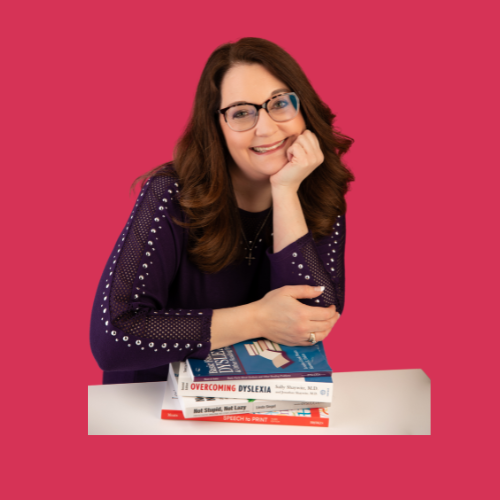
Hi! Thanks for being here. I’m Susan, a Certified Dyslexia Practitioner helping overwhelmed parents make sense of dyslexia, take the next clear step, and supporting students through Orton Gillingham reading intervention.
Susan Clabaugh (A/OGA, CALP/ALTA, MAT)
© 2026 Susan Clabaugh. All rights reserved. Please do not copy or redistribute this content without written permission.
All content is provided for educational purposes only. I am not an attorney, and nothing on this site should be considered legal advice. Susan Clabaugh & Susan’s Learning Connection LLC are not responsible for any outcomes related to the nonuse, use, or application of this material.