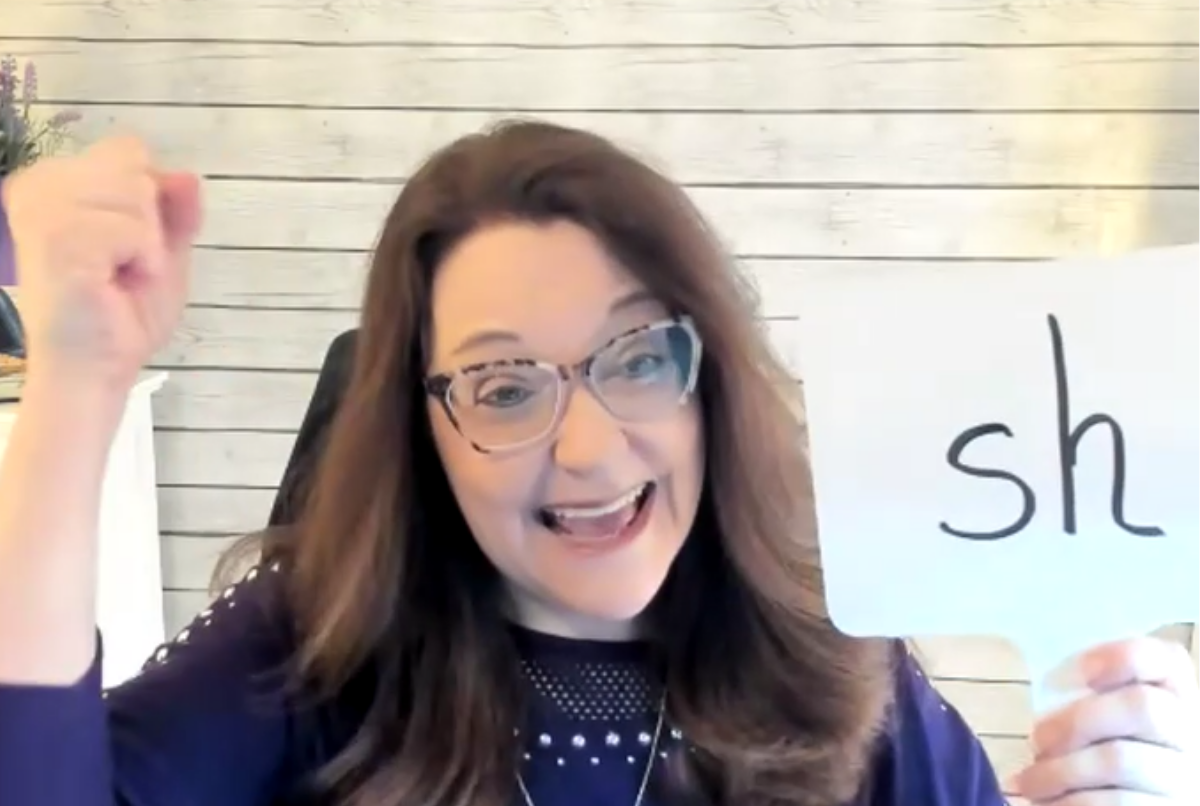
What I Thought Dyslexia Was
One of my favorite questions to answer is, “How did you get into dyslexia intervention?”
The truth is, I never planned on it.
Back in 2019, I was tutoring students in whatever subjects they needed help with. During that time, I repeatedly had parents tell me that their child had been diagnosed with dyslexia. Looking back, my understanding of dyslexia was very limited. Like many people, I thought dyslexia meant seeing letters and words backwards. I had no idea what dyslexia truly was or how significantly it could impact learning.
What I didn’t know then was that I was about to begin a journey that would completely change the way I viewed reading instruction and the work I do today.
The Student Who Changed My Perspective
At the time, I was working with a student who needed help with math. Her parents had shared that she had dyslexia, and I found myself wondering how dyslexia affected her learning. I wanted to help her the best I could.
Someone gave me the name of a local dyslexia therapist, and I reached out hoping she might have a few suggestions. I wanted to better understand how to support my student.
What happened next would change everything.
Finding a Mentor and Better Answers

The dyslexia therapist I contacted generously took the time to sit down with me and explain how dyslexia affects learning. She helped me understand things I had never learned before and gave me practical ideas for supporting my student. I was blown away by the ways she taught me to help this student that I had not been taught in my education classes.
Then, what started as a simple conversation eventually grew into a mentorship. She became an incredible guide on my journey, and I will always be grateful for the time and wisdom she shared with me.
I couldn’t get enough of this new information, and I realized there was still a lot I didn’t know.
Then in 2020, like many educators, I found myself searching for better answers and better ways to help the students I worked with. I wanted to understand why some children struggled so much with reading and what could truly help them succeed.
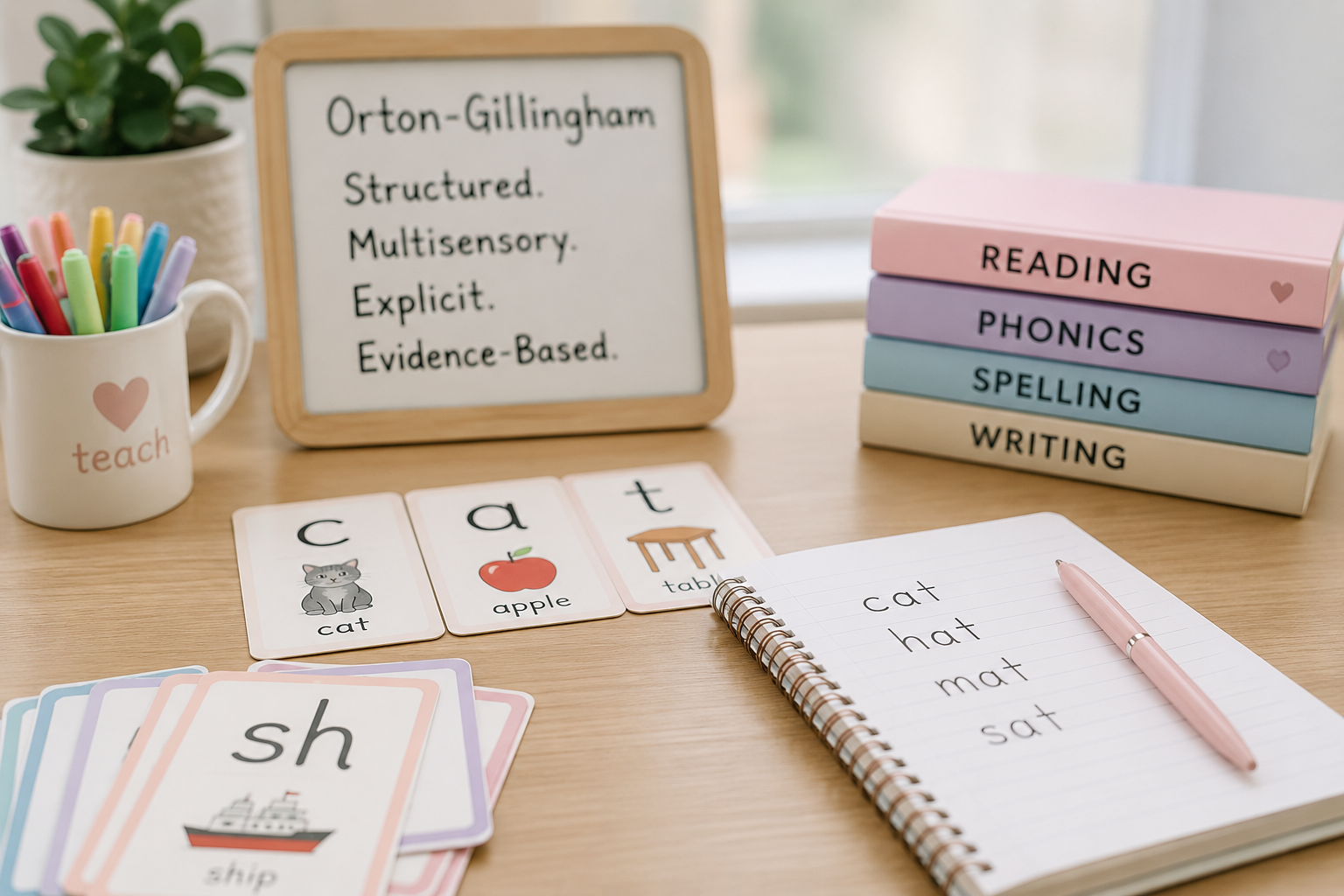
That search led me to shadow my mentor and begin training in the Orton-Gillingham approach.
And I’ll be honest—I had never even heard of Orton-Gillingham before.
When someone first mentioned it, my reaction was, “Orton what?” And when I heard the term “dyslexia therapist,” I assumed it was someone who provided counseling. I had so much to learn!
But the more I learned, the more fascinated I became. I became a sponge soaking up every little bit of information.
What Surprised Me Most
One of the most eye-opening parts of this journey was realizing that I already held both a bachelor’s degree and a master’s degree in education, yet I had never truly been taught how reading develops or how to effectively teach reading. Let alone help students with dyslexia.
That realization was both humbling and motivating.
I knew it wasn’t that I didn’t care. I knew, as with all educators, I am just trying my best to help each student. It simply that many of us had never been given this information.
The more I learned, the more determined I became to continue growing and helping students in a better way.
Why Good Intentions Aren’t Always Enough
In June 2021, I officially launched Susan’s Learning Connection as an LLC. As I began working with students using structured literacy and Orton-Gillingham principles, I witnessed something incredible.
I saw students make reading progress in ways I had never seen before.
I watched children who had struggled for years begin to understand the code of our language. I saw confidence grow. I watched frustration turn into success.
And I was amazed.
Because the truth is, before my dyslexia training, I cared deeply about every student I worked with. I always wanted to help. Most educators do.
But wanting to help and knowing how to help are not always the same thing.
One of my favorite quotes is:
“When we know better, we do better.”
That has become a guiding principle in my work.
This is why I’m careful when talking with parents about reading intervention. It’s never about criticizing teachers or tutors. There are many wonderful educators who care deeply about helping children learn to read. However, dyslexia requires specialized knowledge and training, and not everyone has had the opportunity to receive that training.

Why I Love This Work
When I look back on my journey, there is only one thing I would change:
I wish I had started sooner.
I absolutely love what I get to do every day. There is nothing quite like watching a child realize they can read. Seeing that light bulb come on when they discover they simply needed instruction that matched how their brain learns is priceless.
Watching students gain confidence, discover their strengths, and experience success in reading never gets old.
Helping children unlock that confidence and success is why I do this work, and I wouldn’t trade it for anything.
A Final Note
On this fifth anniversary of starting this tutoring and consulting business, I want to thank everyone who has trusted me with your child or family on this journey. Thank you for the honor. It truly is a privilege.
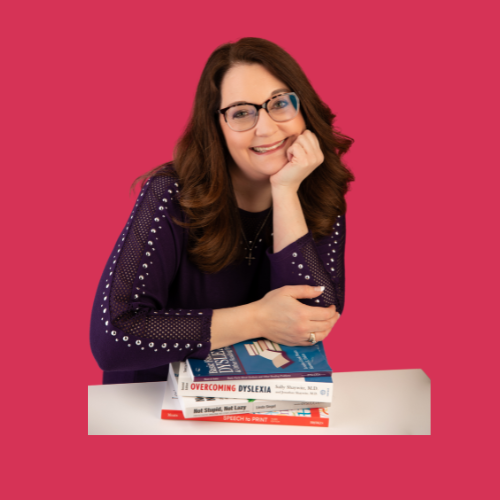
Hi! Thanks for being here. I’m Susan, a Certified Dyslexia Practitioner helping overwhelmed parents make sense of dyslexia, take the next clear step, and supporting students through Orton Gillingham reading intervention.
Susan Clabaugh (A/OGA, CALP/ALTA, MAT)
© 2026 Susan Clabaugh. All rights reserved. Please do not copy or redistribute this content without written permission.
All content is provided for educational purposes only. I am not an attorney, and nothing on this site should be considered legal advice. Susan Clabaugh & Susan’s Learning Connection LLC are not responsible for any outcomes related to the nonuse, use, or application of this material.